When is the Best Time to Visit Takachiho Gorge?
The best time to visit Takachiho Gorge depends on what you want to see. Autumn (late November to early December) is the most photogenic season when the iconic red and orange leaves frame the gorge, while the gorgeous shots you typically see of Takachiho Gorge are taken when the leaves are green, from April to October. The gorge experiences dramatic changes throughout the year — from emerald waters framed by autumn colors to quiet winter mornings with fewer crowds.
This guide covers the best seasons, months, times of day, and days of the week to visit Takachiho Gorge, helping you plan your trip for optimal weather, lighting, and availability.
Quick Answer:
- Best overall: October-November (autumn foliage, stable weather)
- Best for photography: Mid-November to early December
- Best for fewer crowds: December-February (winter)
- Rainy season: June-July (frequent closures)
- Best time of day: 10:00 AM-12:00 PM (optimal lighting)
- Best days: Weekdays (easier boat reservations)
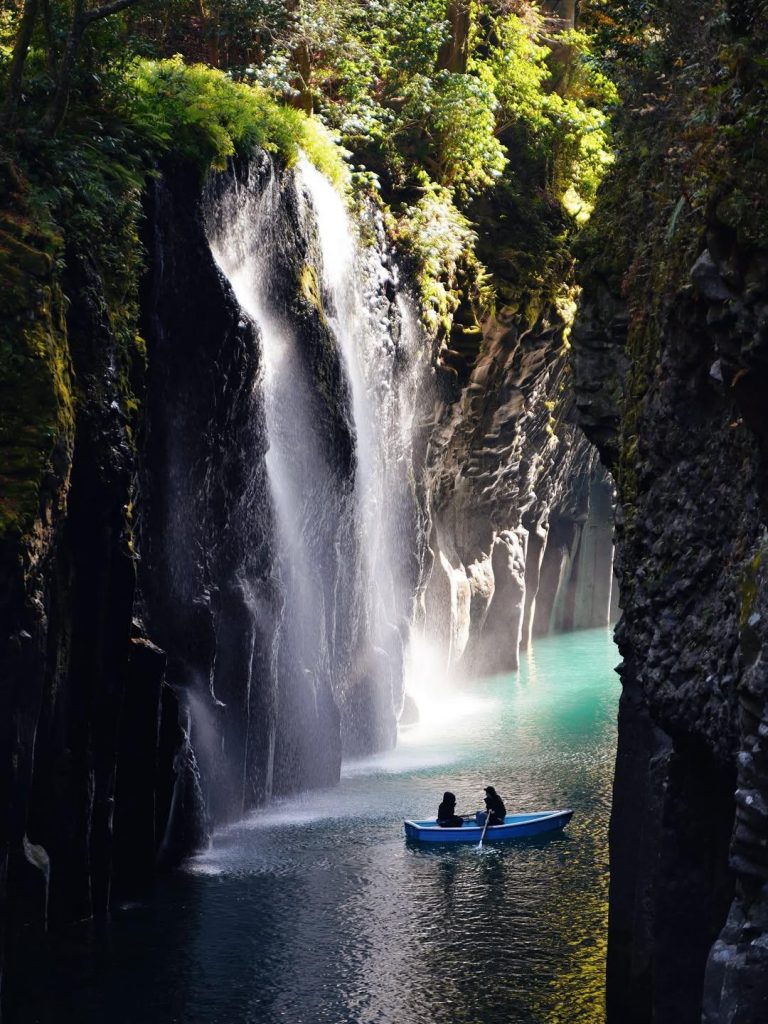
Best Time of Day to Visit Takachiho Gorge
Morning (10:00 AM-12:00 PM) – BEST
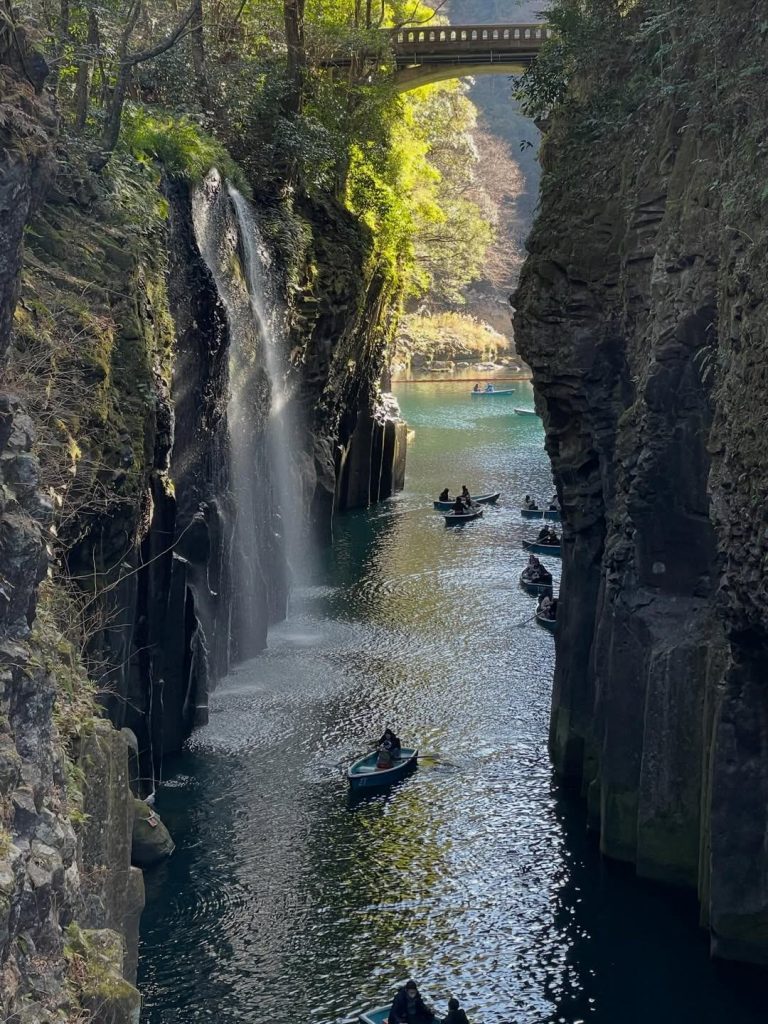
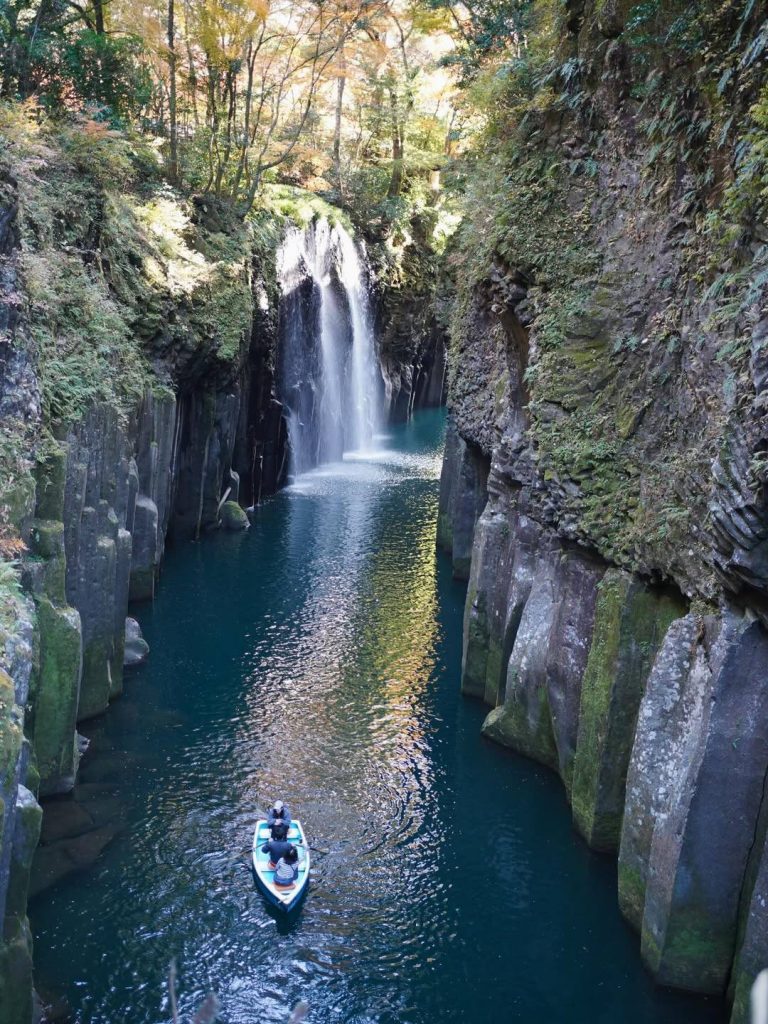
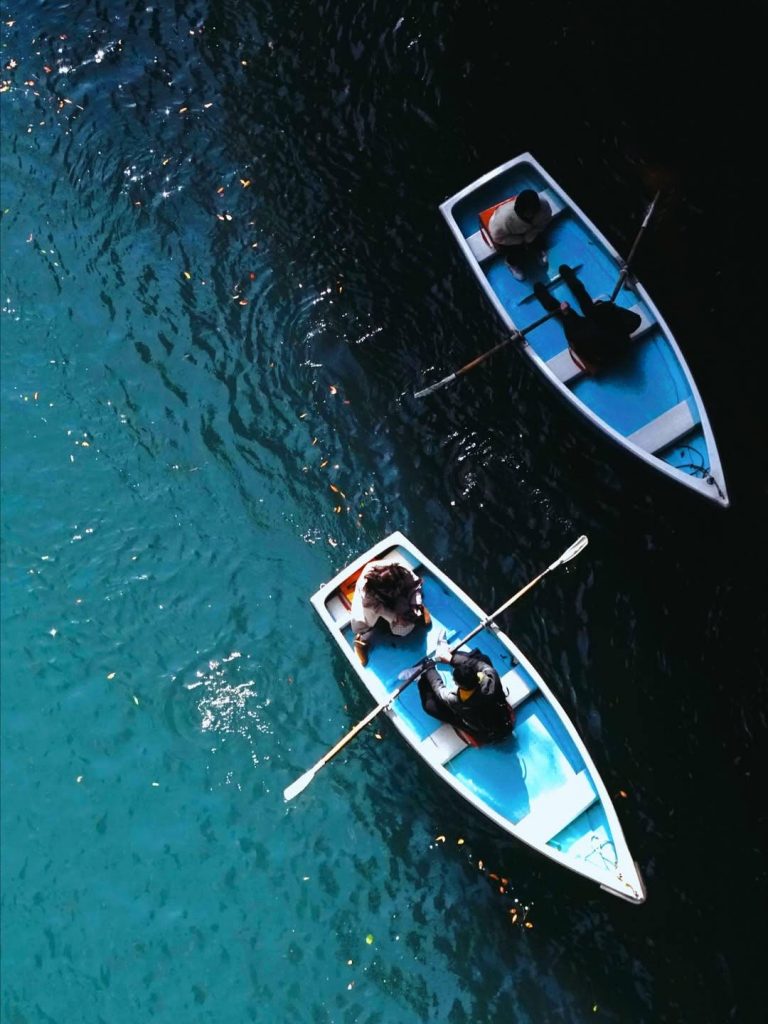
The best times to paddle into the chasm and admire the stunning glow that the sun creates on the waterfall are between 10am and 12pm. During these hours, sunlight enters the gorge at the optimal angle to illuminate Manai Falls directly. The emerald-green water appears most vibrant, and the waterfall creates the iconic misty glow seen in photographs.
Early Morning (8:30 AM-10:00 AM)
Arrive early to secure same-day tickets (when available) and experience the gorge before crowds arrive. In the morning, it’s very quiet during winter visits. The walking trail is peaceful, and parking at Oshioi Lot is easier to secure.
Afternoon (12:00 PM-4:00 PM)
After midday, shadows begin covering the gorge floor and waterfall. The lighting becomes less dramatic for photography, though the gorge remains beautiful. Boat availability may be limited as slots fill up.
Evening (Summer Only)
In summer the gorge is illuminated until 10 PM. Night illuminations run from mid-May through November, creating a mysterious atmosphere with spotlights on the cliffs and waterfall.
Best Day of The Week to Visit Takachiho Gorge
Weekdays – RECOMMENDED
Weekdays are preferable for visiting. Weekends get extremely busy and the boats book up on weekends often weeks in advance whereas it’s easier to get a boat booking during the week, sometimes even only a day or two before.
Weekday advantages:
- Boat reservations available closer to visit date (2-3 days ahead vs. 2 weeks)
- Less crowded walking trail
- Easier parking access
- More peaceful experience
Weekend/Holiday considerations:
- Boat slots sell out quickly when reservations open (2 weeks ahead)
- Paid parking fills by mid-morning
- Longer wait times at restaurants
- More boats on the water simultaneously
Best Season to Visit Takachiho Gorge
SPRING (MARCH-APRIL)
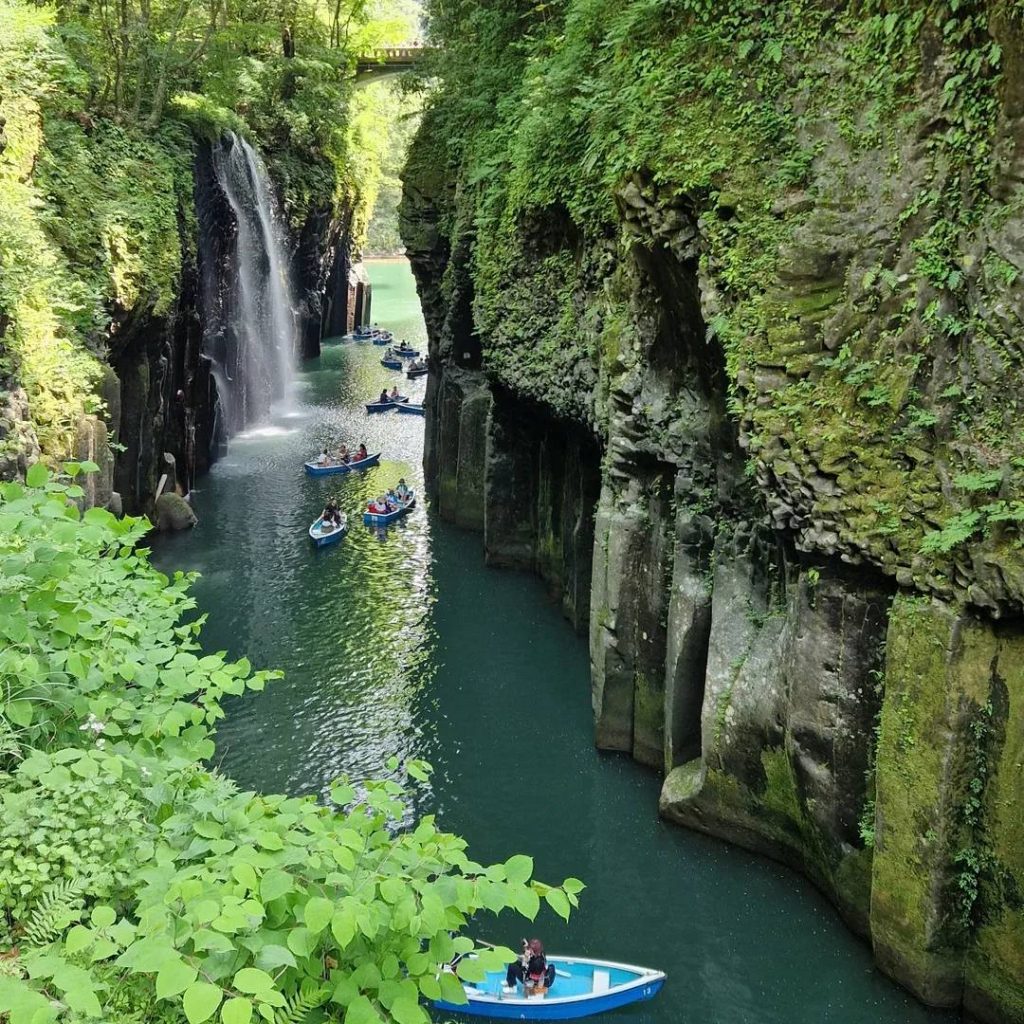
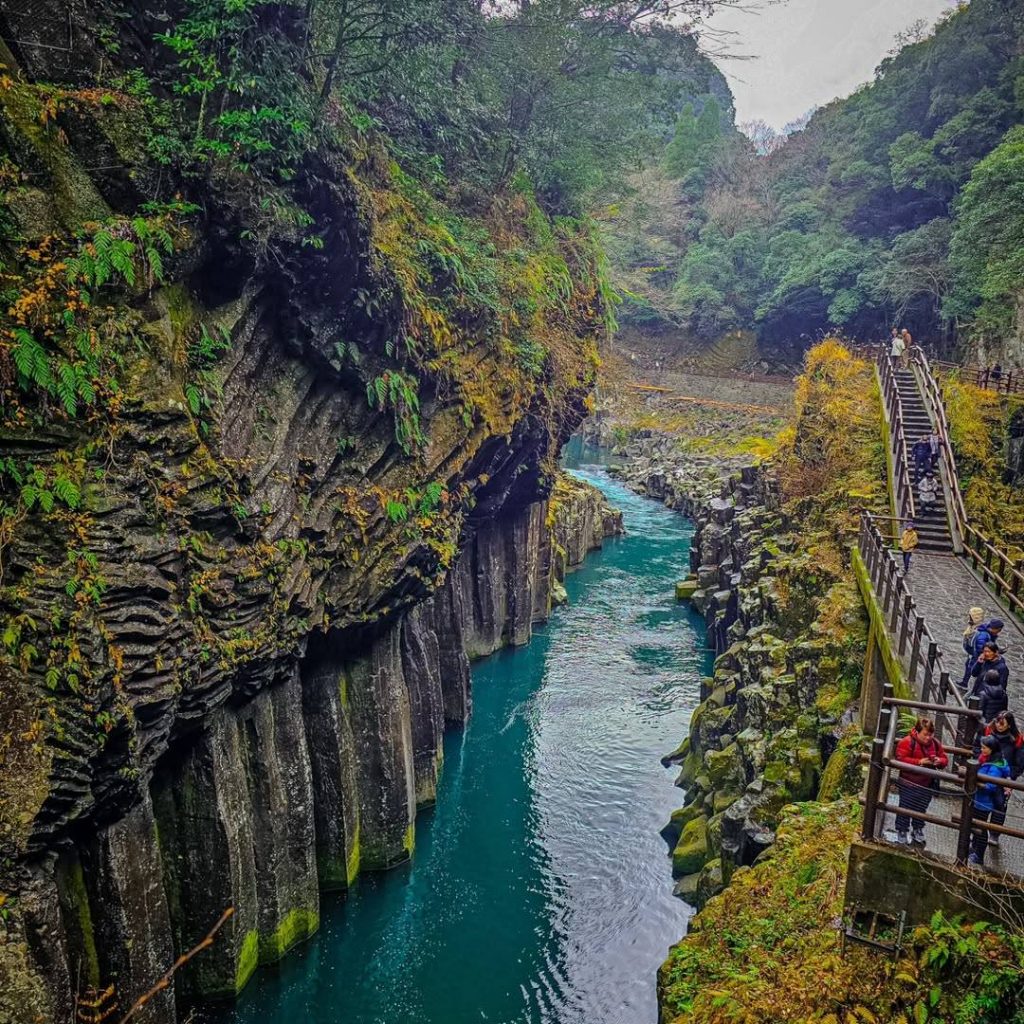
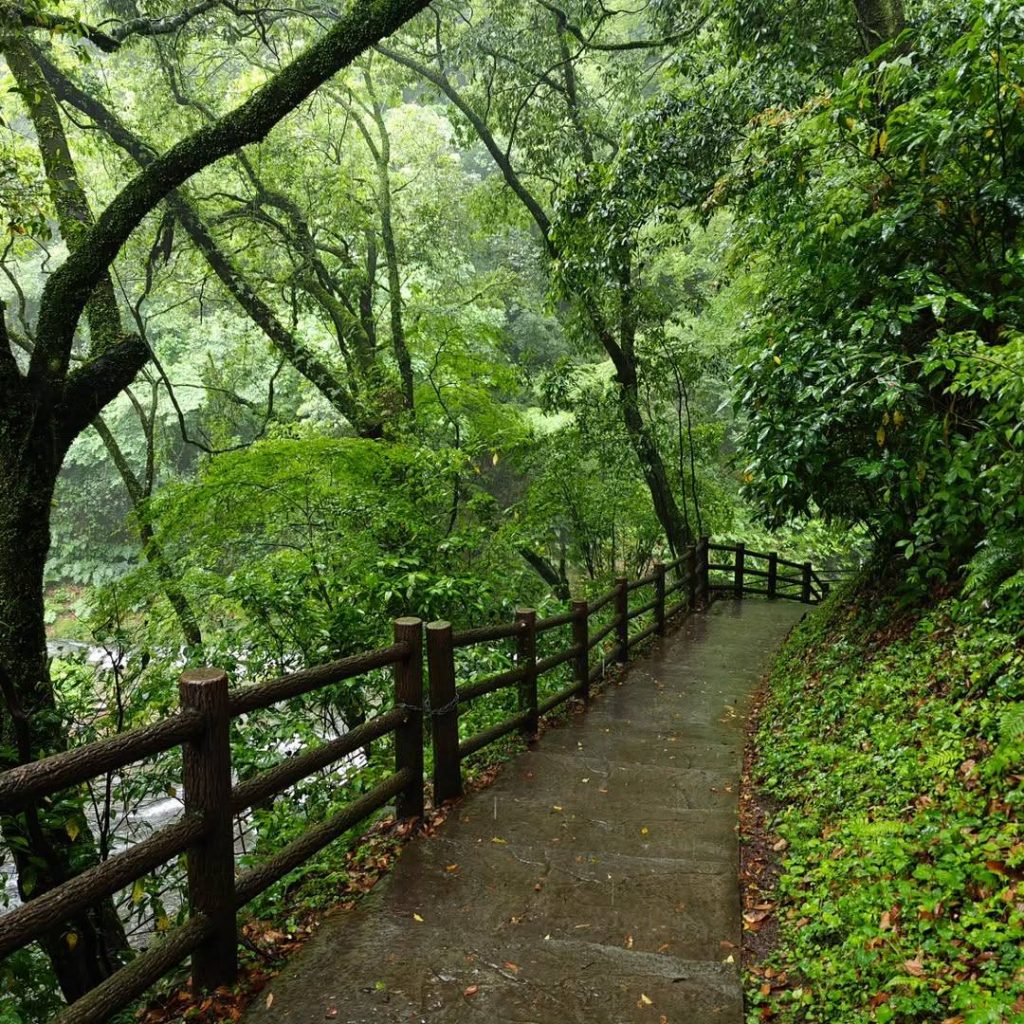
What is Takachiho Gorge like in spring?
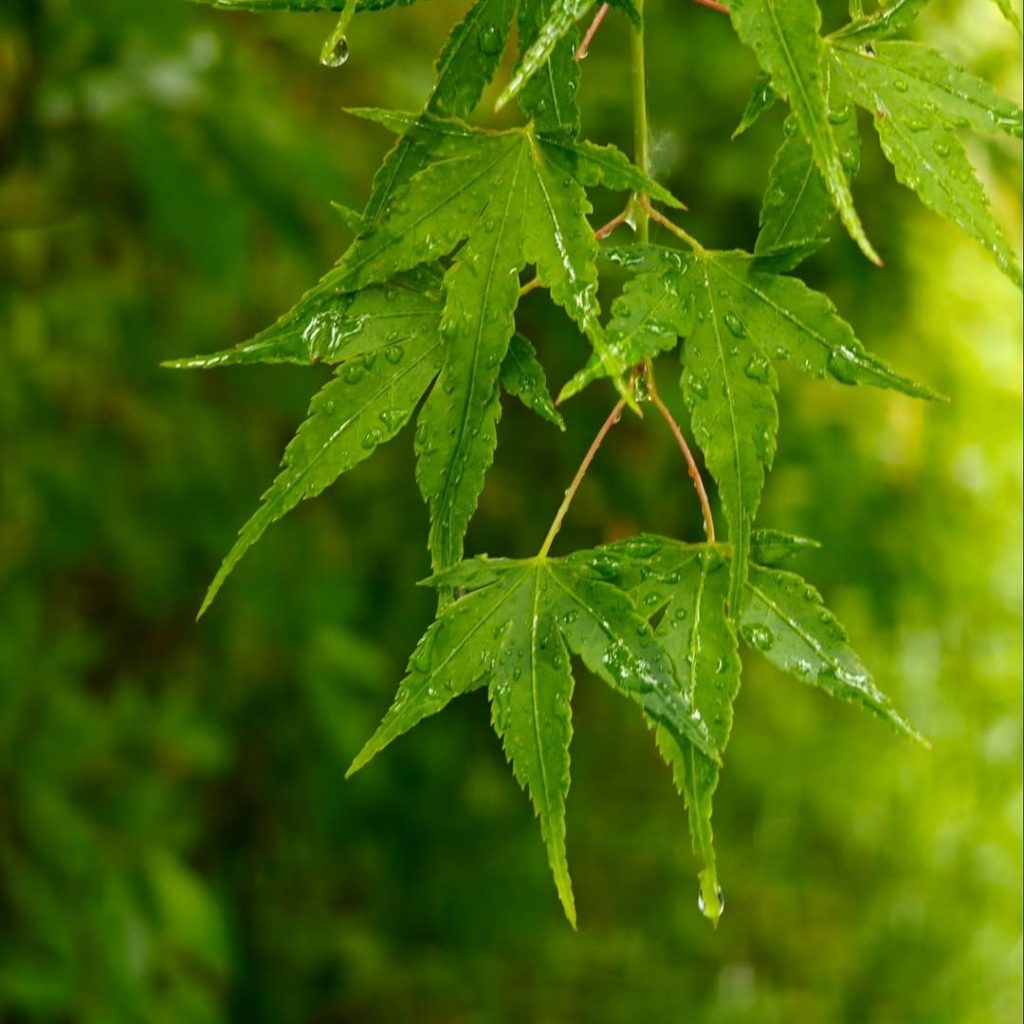
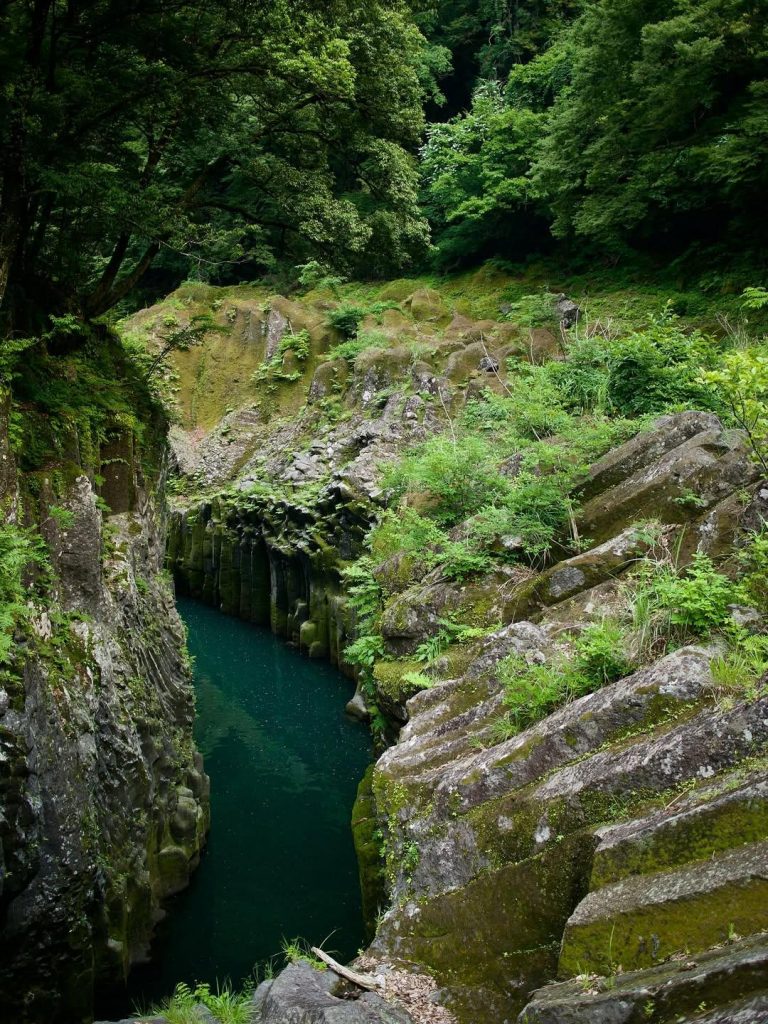
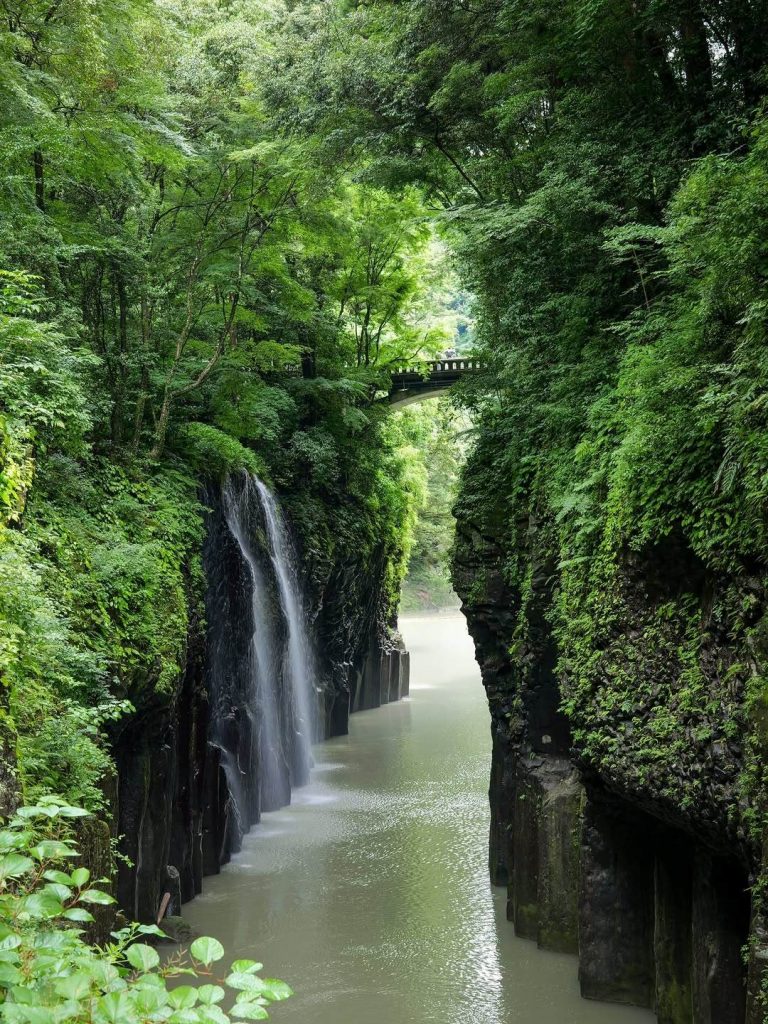
Spring brings fresh green foliage and mild temperatures. The gorgeous shots typically seen of Takachiho Gorge are taken when the leaves are green, from April to October. The gorge water maintains its signature emerald color against bright new leaf growth.
Temperature: 10°C-20°C
Rainfall: Moderate, increasing toward April
Crowds: High (cherry blossom season draws visitors to Kyushu)
Boat availability: Competitive — advance booking essential
Advantages:
- Vibrant green foliage
- Pleasant temperatures for hiking
- Classic “emerald gorge” photography
- Comfortable weather conditions
Considerations:
- Cherry blossom tourists increase demand across Kyushu
- Boat reservations fill quickly
- Not peak foliage season
- Higher visitor numbers
SUMMER (MAY-AUGUST)
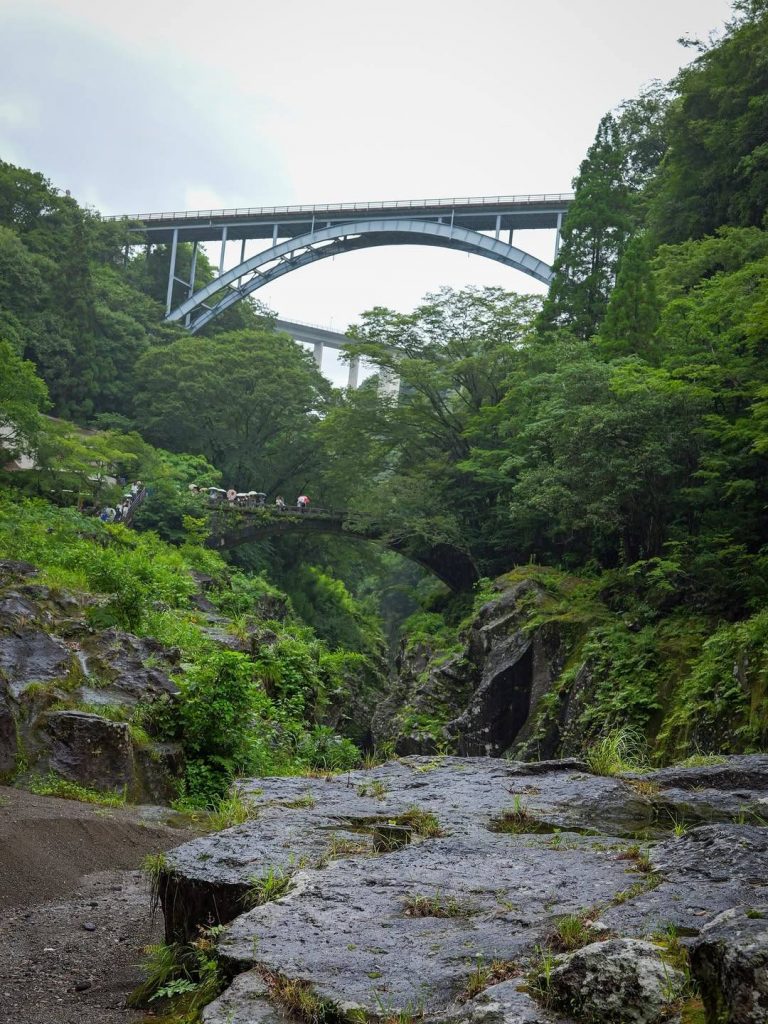
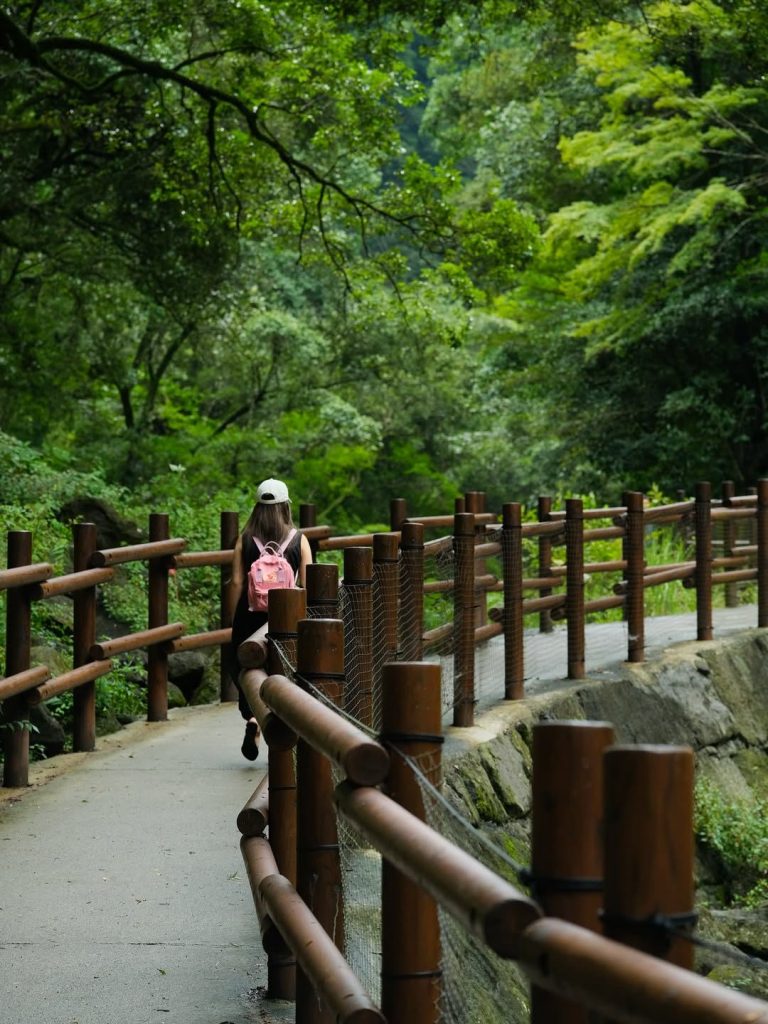
Is summer a suitable time to visit Takachiho Gorge?
Summer offers extended hours and evening illuminations but comes with high heat, humidity, and rainy season challenges.
Temperature: 25°C-35°C
Rainfall: Very high in June-July (rainy season), typhoon risk August
Crowds: High on dry days, especially weekends
Boat availability: Weather-dependent
May (Early Summer): Pre-rainy season conditions. Relatively stable weather with lush greenery. Night illuminations begin mid-May.
June-July (Rainy Season) ⚠️
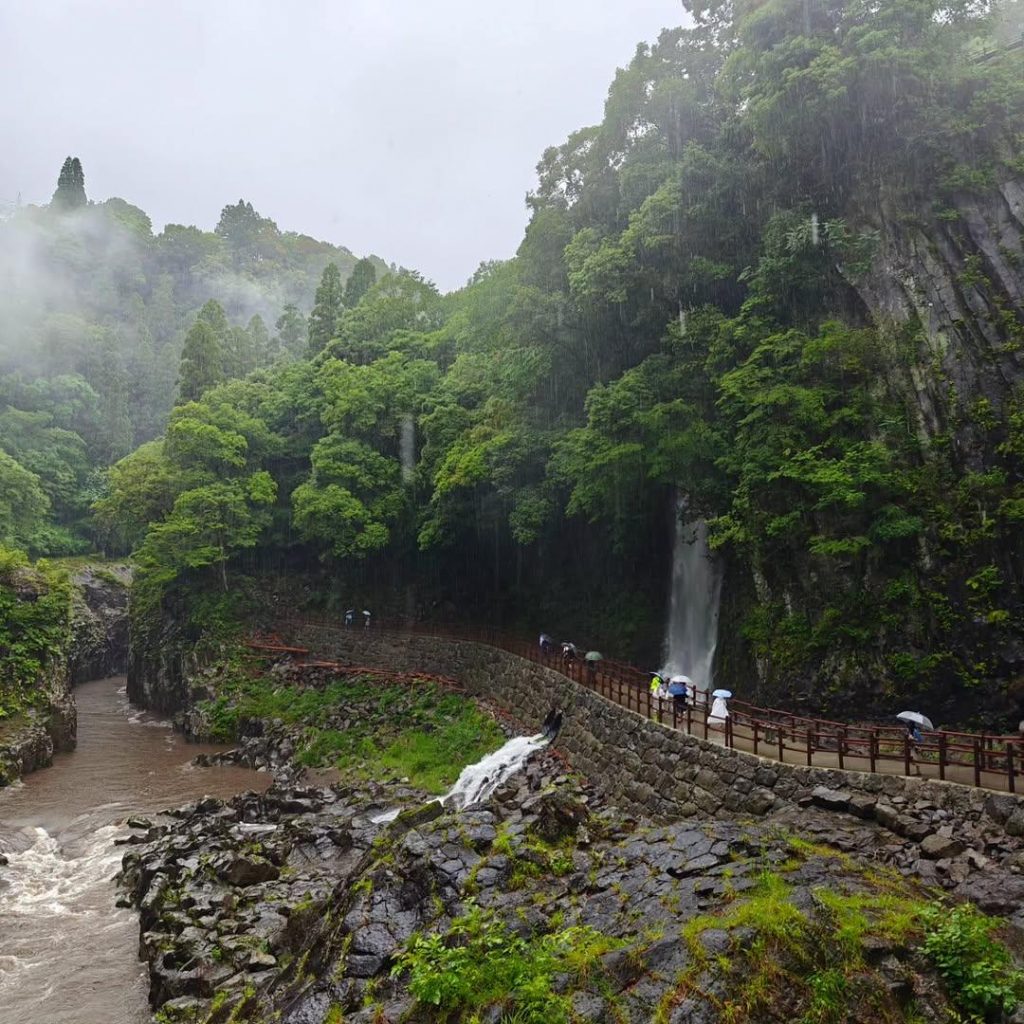
The rainy season in Kyushu is typically June-July, these are the wettest months. Heavy rainfall turns the emerald water muddy brown, closes boat operations, and creates challenging conditions. Pictures show the shocking difference between clear and rainy conditions — the gorge loses its signature emerald color during heavy rain periods.
Visitors planning trips during June-July should monitor weather forecasts closely and have flexible schedules to account for potential closures.
August: Post-rainy season but typhoon risk remains. Hot and humid conditions. Weather forecast monitoring essential.
Advantages:
- Night illuminations until 10 PM
- Extended operating hours
- Lush summer greenery
- Evening viewing options
Considerations:
- Rainy season (June-July) causes frequent closures
- Water often brown/muddy during rain
- High heat and humidity
- Typhoon risk in August
- Weather-dependent operations
For detailed weather impacts, see the Takachiho Gorge Weather Guide
AUTUMN (OCTOBER-NOVEMBER) ⭐ PEAK SEASON
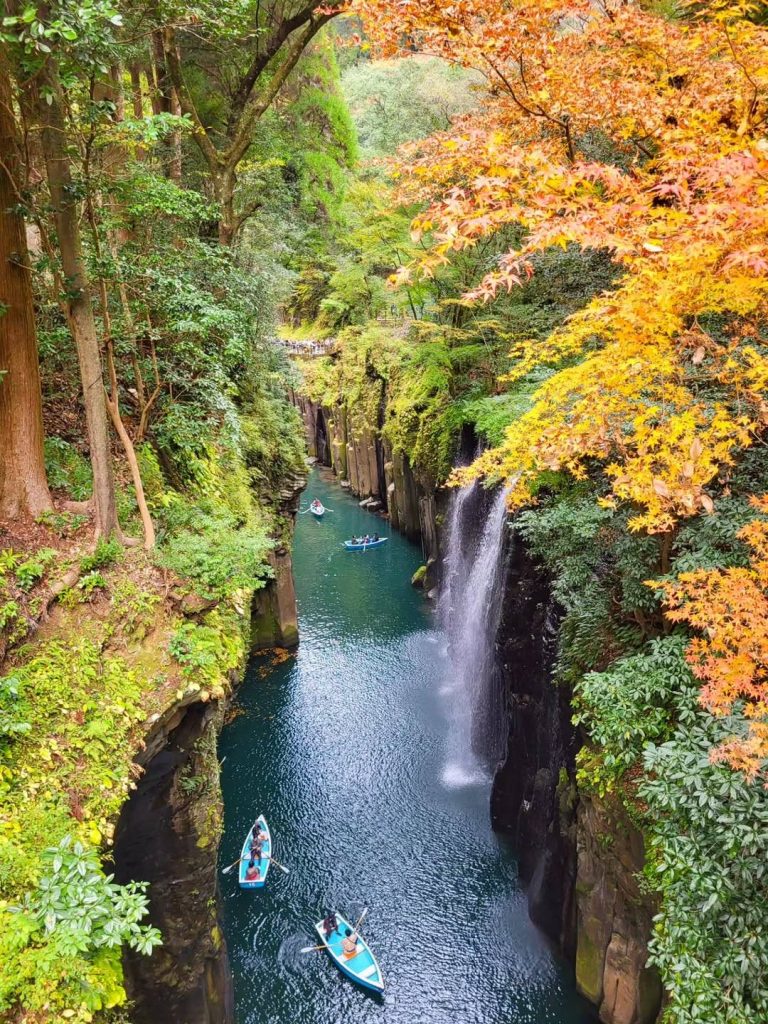
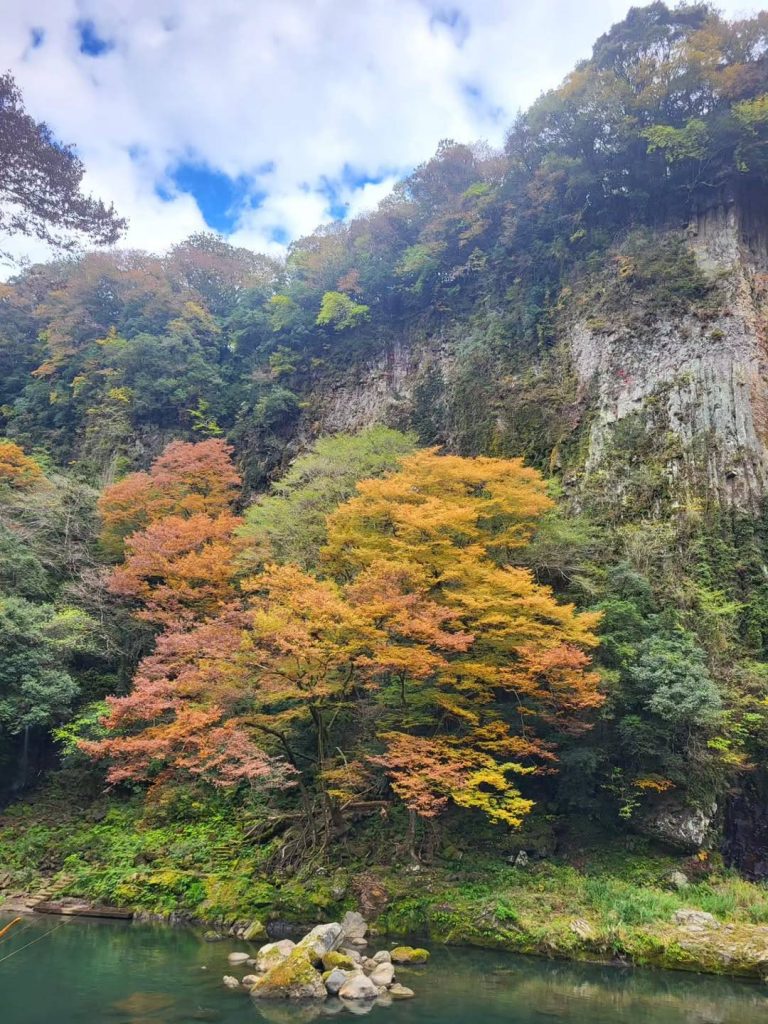
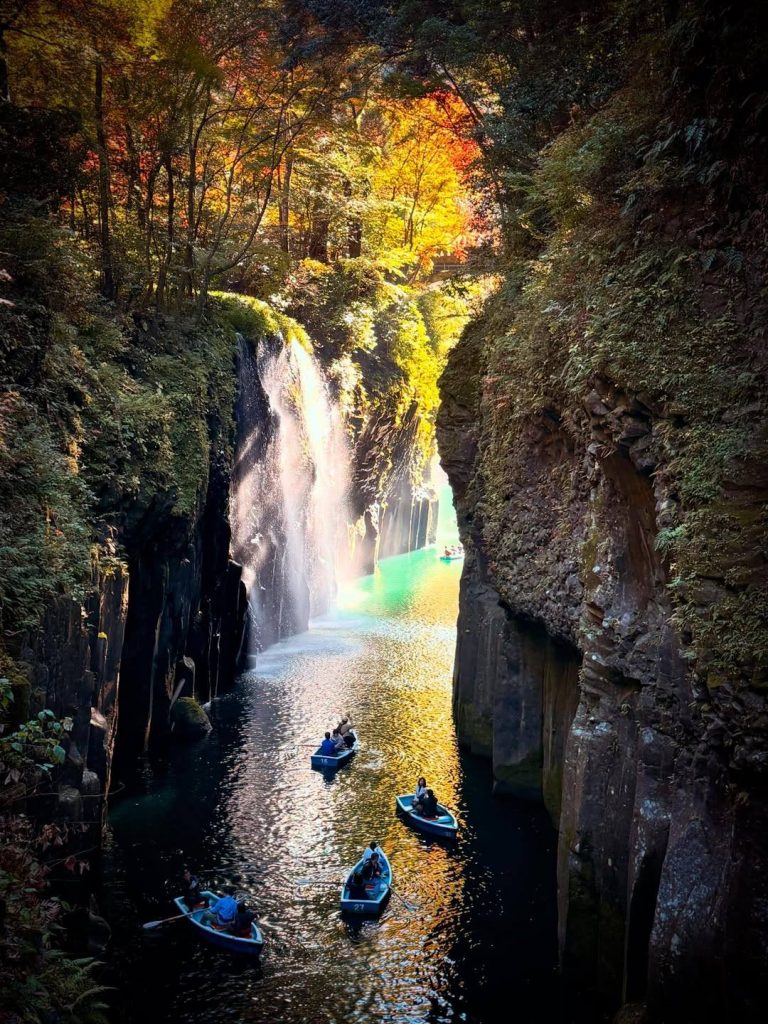
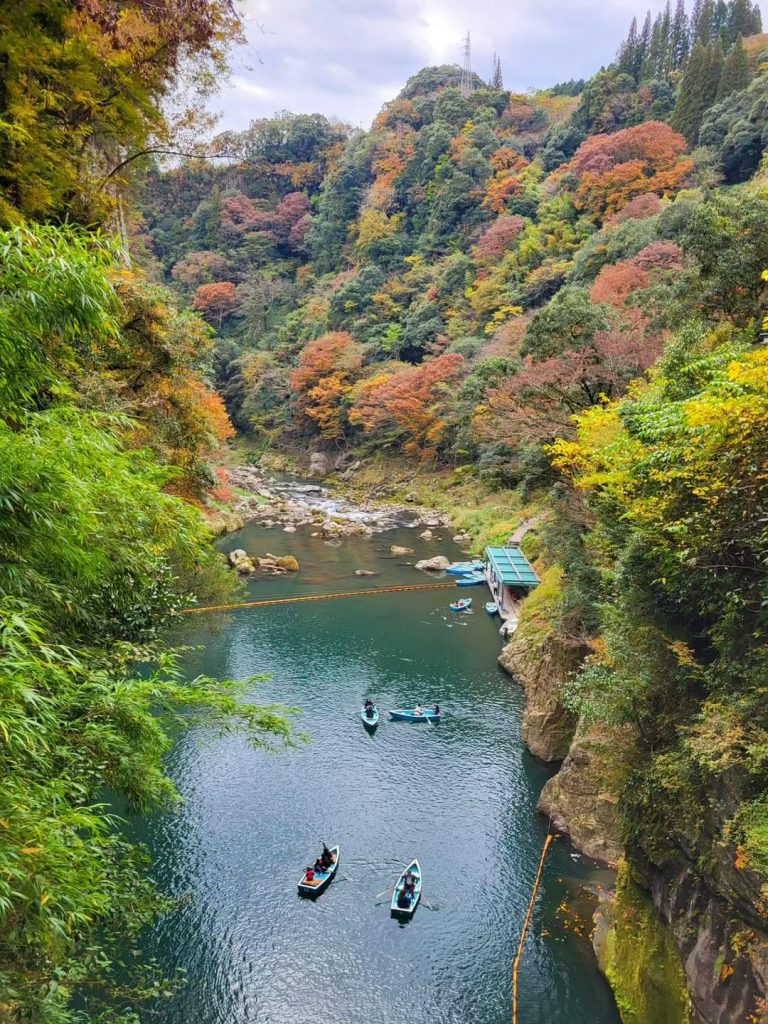
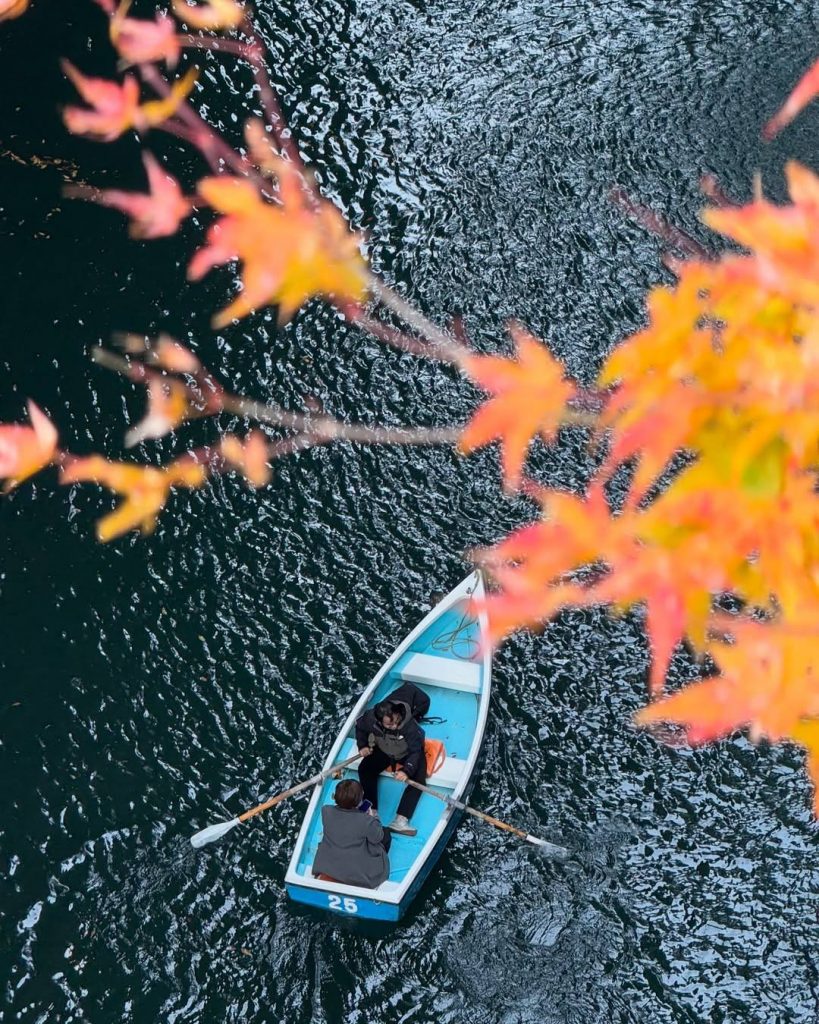
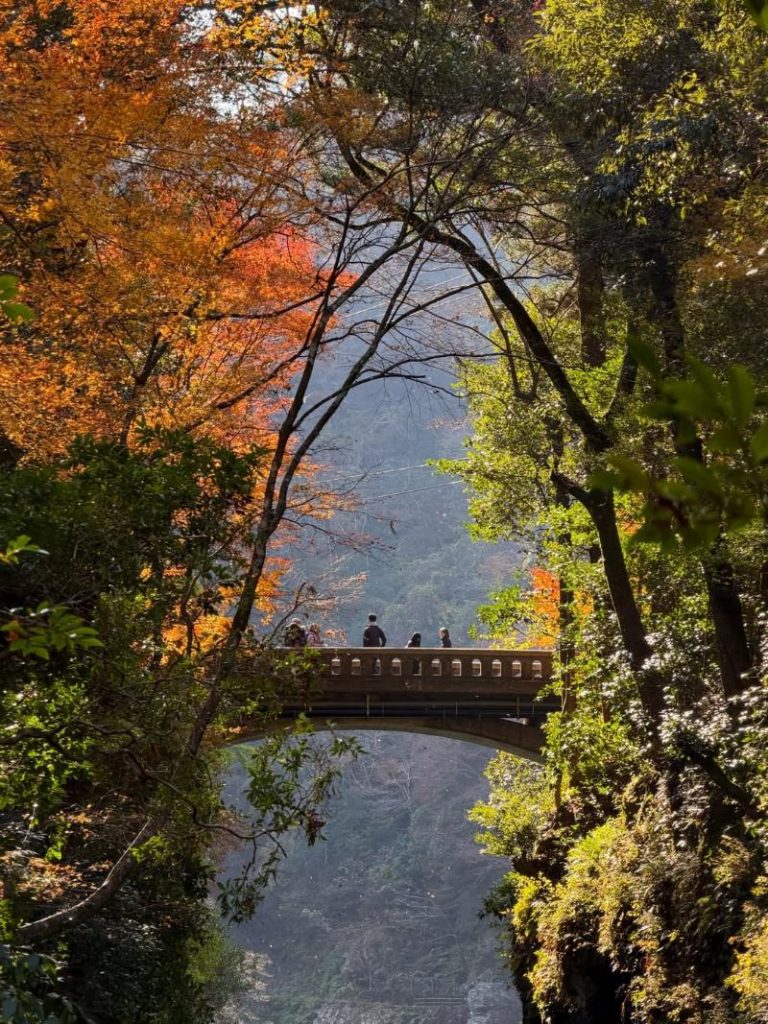
Why is autumn considered the best time to visit Takachiho Gorge?
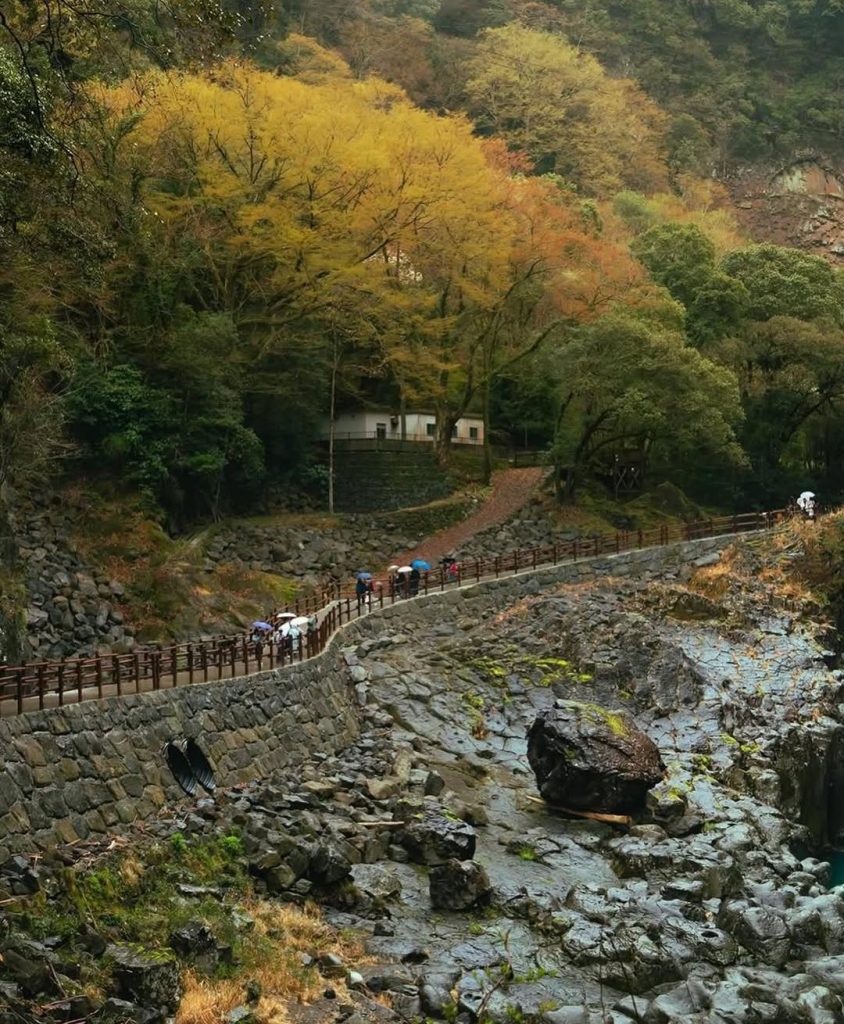
Autumn represents peak season at Takachiho Gorge. Visitors should plan autumnal visits from mid-November to early December. The maple trees lining the walking trail turn brilliant red and orange, creating dramatic contrast against the dark basalt cliffs and emerald-green water.
Temperature: 15°C-25°C
Rainfall: Low — most stable weather of the year
Crowds: Very high (peak season)
Boat availability: Extremely competitive — slots disappear quickly
Peak Foliage Timing:
It is best to plan trips to Takachiho Gorge from mid-November to early December. The fall foliage, the mist from the waterfall together with beautiful rock formation creates a magical combination atmosphere.
Early October: Foliage begins changing. Less crowded than late October/November. Good compromise between foliage and availability.
Late October-Early November: Peak foliage period. Maximum crowds and highest demand for boat reservations.
Mid-November-Early December: Autumnal visits should be planned from mid-November to early December for the most photogenic conditions with full autumn colors.
Booking Strategy:
Especially during the busy period of autumn and spring when the foliage changes color, it’s best to book tickets ahead. Weekend slots in October-November sell out the moment reservations open at 9:00 AM, two weeks before the visit date.
Advantages:
- Most photogenic season
- Stable weather conditions
- Perfect temperatures for hiking
- Dramatic autumn foliage
- Classic “autumn gorge” photography
- Optimal lighting conditions
Considerations:
- Boat reservations extremely difficult (sell out quickly)
- Highest crowds all year
- Parking fills early
- Premium pricing on some days
- Advance planning essential
WINTER (DECEMBER-FEBRUARY)
What is Takachiho Gorge like in winter?
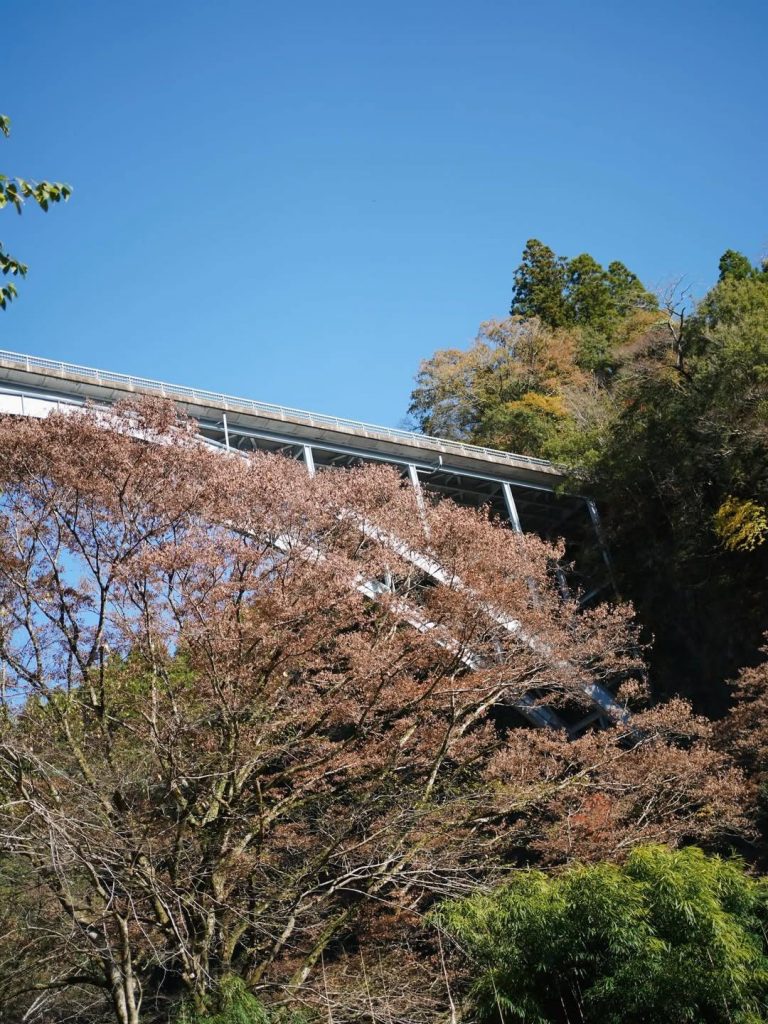
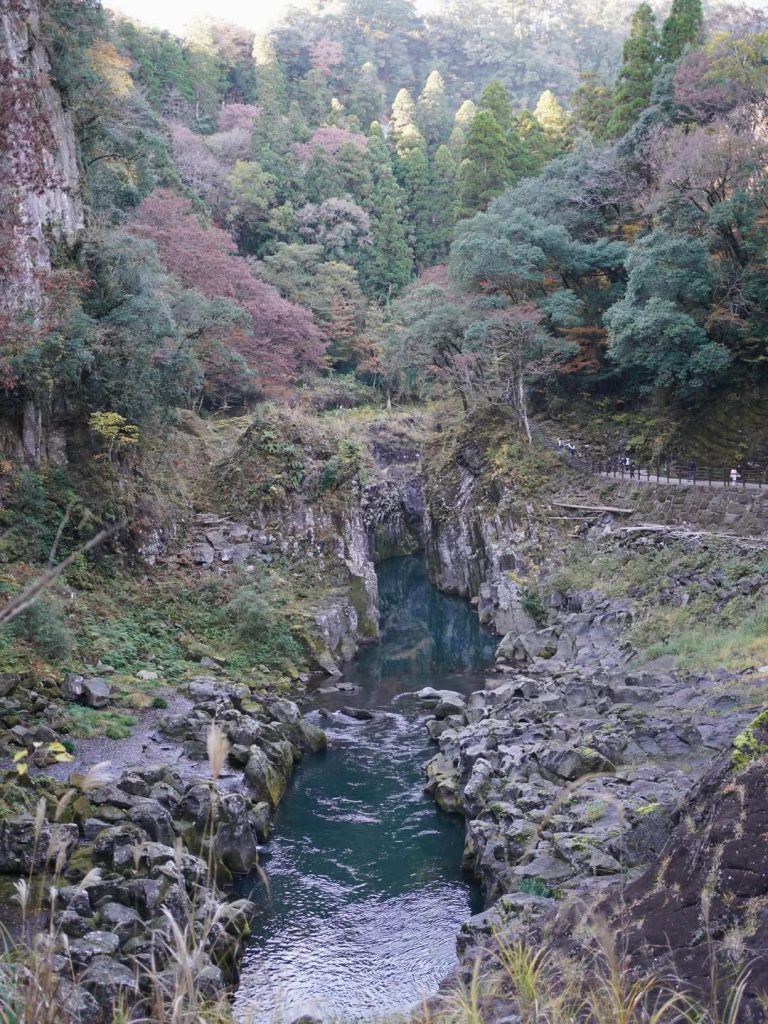
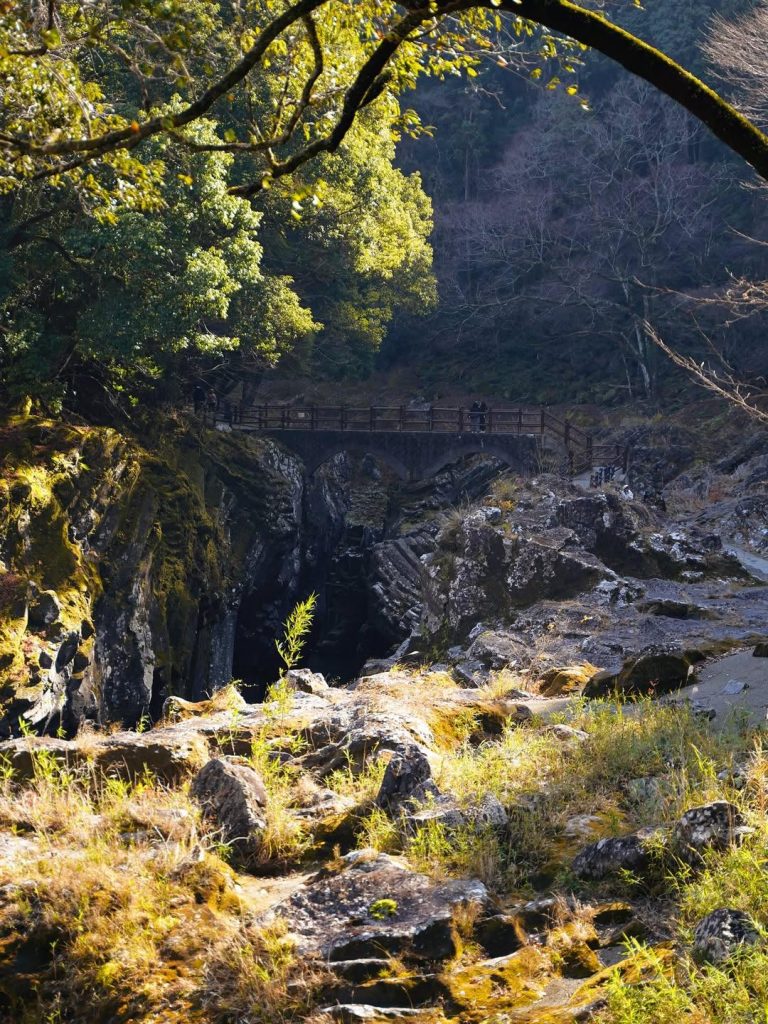
During winter, Takachiho gorge is less crowded, quiet, and rather beautiful. While foliage is sparse, the gorge maintains its green water and dramatic cliffs. February visits reveal the gorge is still greenish, and in the morning, it’s very quiet.
Temperature: -2°C to 10°C (can drop below freezing)
Rainfall: Lowest of the year
Crowds: Low — fewest visitors
Boat availability: Best — same-week bookings often possible
December: Early winter with some remaining foliage. Clear, dry days common. Good shoulder season between autumn crowds and deep winter.
January-February: Coldest months. Winter visits show lots of the leaves are dead so there are plenty of sparse trees. However, Takachiho Gorge at a lower elevation and in a spot that is still beautiful and green in the winter.
Occasional snow/ice closures: Some days close due to icy conditions, but the gorge rarely experiences significant snow accumulation.
Advantages:
- Fewest crowds all year
- Easy boat reservations (often same-week)
- Peaceful, serene atmosphere
- Lowest rainfall
- Still maintains emerald water color
- Easier parking
- Flexible booking options
Considerations:
- Sparse foliage (some bare trees)
- Cold temperatures for boat rowing
- Occasional ice closures
- Less vibrant colors for photography
- Shorter daylight hours
Ideal for:
- Travelers seeking solitude
- Those unable to book autumn slots
- Visitors who prioritize availability over foliage
- Photographers wanting unique winter perspectives
MONTH-BY-MONTH SUMMARY
- January: Cold (0-10°C), low crowds, some bare trees, easy bookings ⭐ For peace & availability
- February: Cold (0-10°C), low crowds, some bare trees, easy bookings ⭐ For peace & availability
- March: Mild (10-20°C), increasing crowds, new green growth⭐ Great
- April: Pleasant (10-20°C), green foliage, cherry blossom crowds, competitive bookings⭐⭐Excellent
- May: Warm (15-25°C), green foliage, pre-rainy season, illuminations begin⭐⭐Excellent
- June: Rainy season begins (20-28°C), frequent closures, often brown water ⚠️ Check weather closely
- July: Peak rainy season (20-30°C), many closures, often brown water ⚠️ Check weather closely
- August: Hot (25-35°C), typhoon risk, post-rain recovery⚠️ Check weather closely
- September: Warm (20-30°C), typhoon risk, early autumn, stable weather returns⭐ Great
- October: Perfect (15-25°C), early autumn colors, high crowds, competitive bookings ⭐⭐ Excellent
- November: Peak season (15-25°C), full autumn foliage, very high crowds ⭐⭐⭐ Best
- December: Cool (5-15°C), low crowds, dry weather, easier bookings ⭐ Good alternative
SPECIAL CONSIDERATIONS
Golden Week (Late April-Early May):
National holiday period. Very high domestic tourism. Early booking essential for all services.
Obon (Mid-August):
Summer holiday period. Higher crowds despite hot weather and typhoon risk. Advanced reservations recommended.
Sea of Clouds at Kunimigaoka:
From late September to early December, early morning visits may reveal Takachiho and its surrounding mountains blanketed in mist if conditions are right. Best viewing after cold nights with temperature drops.